
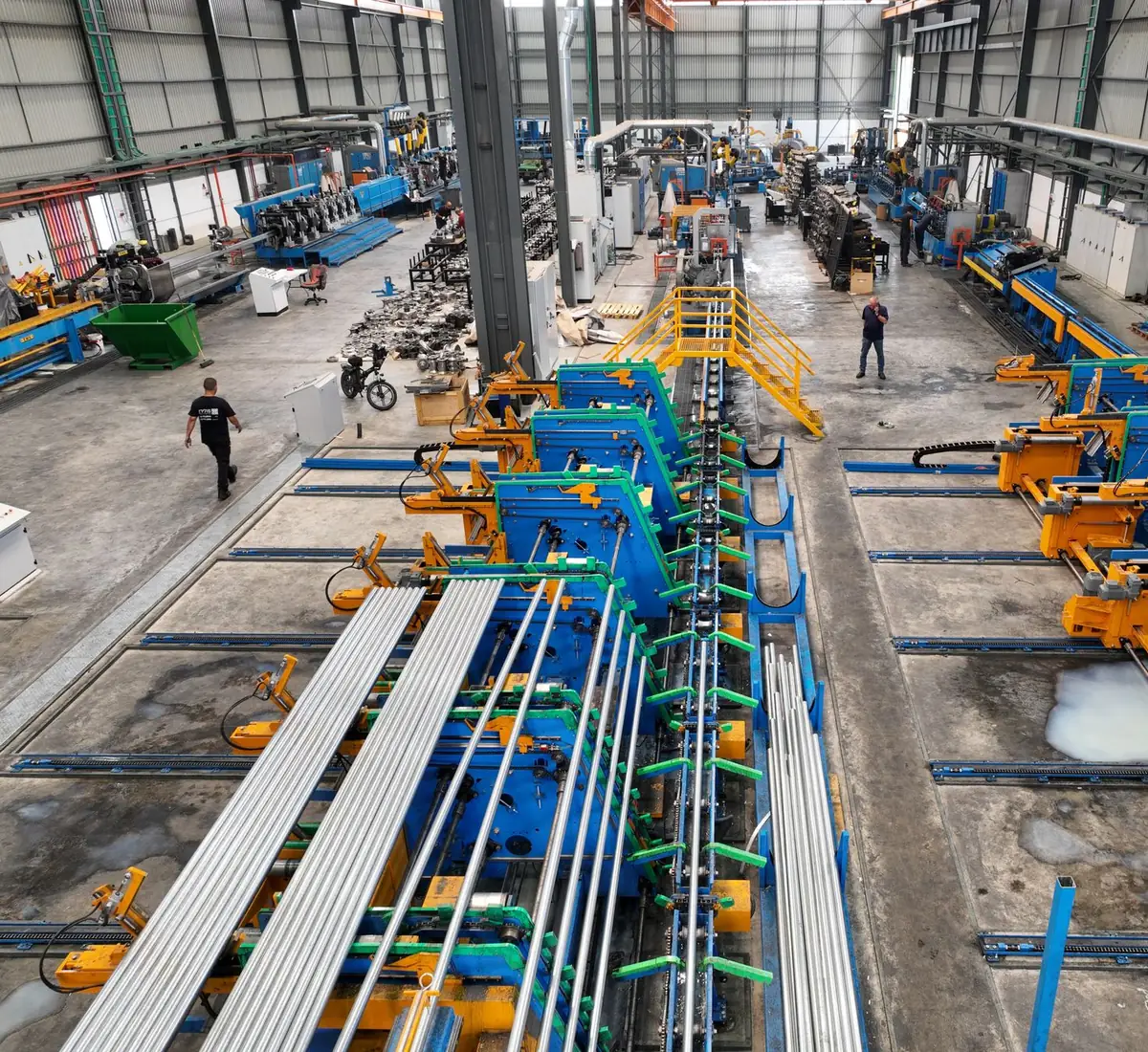


Monthly accounts with production costing, stock movements between stages and depreciation posted as part of the close.
Manufacturing Accounting Services for UAE Factories and Industrial Businesses
On a factory floor, cost is built up in stages: raw material, labour, power, machine time and overhead. Bestax gives UAE manufacturers and industrial companies a costing and reporting structure that follows those stages, so you know what each product really costs to make, what your stock is worth and which lines are carrying the business.
Book Free 20-Min Call
Get QuoteSpeak Directly with an Expert
Book a Free
20-Minute Call
Share what you produce, how many lines or sites you run and the system you use. We will propose a costing and reporting scope.
6 common problems
Cost accounting problems in factories and industrial businesses
A manufacturer's ledger has to do more than record what was paid. It has to move costs from raw material into work in progress and into finished goods, carry the right share of overhead with them, and still agree to the stock on the shelves. Problems in a manufacturer's accounts tend to sit in one of the areas below.
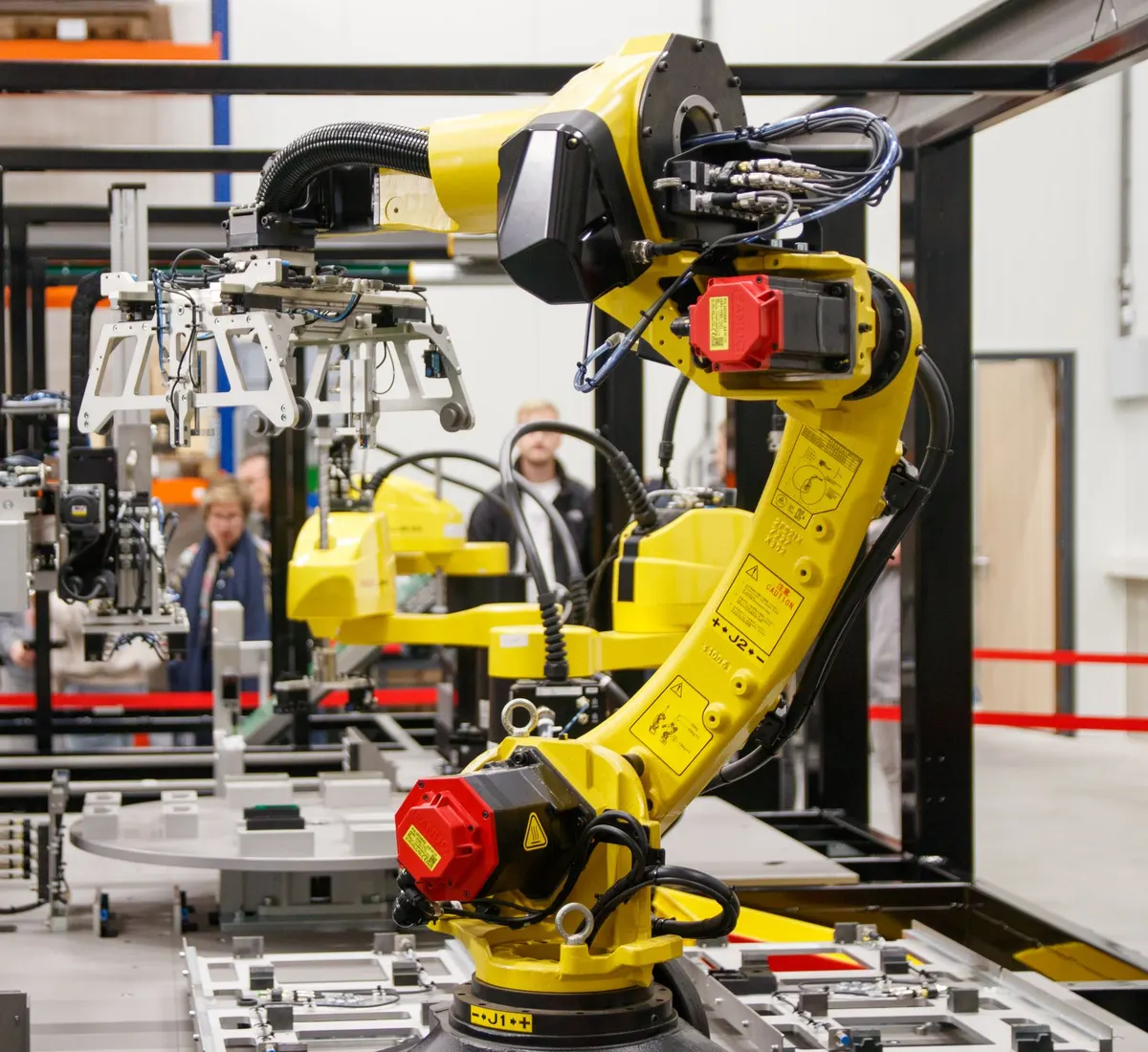
Every production stage carried at its true cost
Unreliable product costs
Standard costs set years ago, or no standard at all, leave pricing decisions resting on estimates. Without variance analysis there is no way to see whether material usage, labour or yield has moved.
Raw material, WIP and finished goods
Stock sits in three states at once. Issues to production, scrap, returns to store and partly completed batches all need recording, or the balance sheet and cost of sales are both wrong.
Overhead allocation
Power, maintenance, factory rent and supervision have to be absorbed into products on a reasonable basis. Under IAS 2 only production overheads at normal capacity belong in inventory; idle capacity costs do not.
Plant and machinery
Large assets need a fixed asset register with components, useful lives, capitalised installation costs and depreciation that matches how the machines are actually used.
Group supply chains
Where a factory sells to a related distributor or buys from a group entity, intercompany pricing and balances must reconcile and be supportable under the UAE transfer pricing rules.
Controls over materials
Weak controls over stores, purchase approvals and scrap leave room for losses that only appear at the annual stock count, when they are hardest to explain.
How Bestax helps
Accounting, audit and tax support for UAE manufacturers
We combine monthly accounting with the reporting and assurance work a manufacturer needs for its lenders, its shareholders and its tax filings.
Costing models, margin analysis by product and budget-to-actual reporting led by a senior finance professional, without a full-time hire.
Reviews of stores, procurement, production reporting and scrap controls, with practical recommendations for management.
IFRS financial statements audited for banks, shareholders and licensing authorities, with stock and fixed assets prepared for testing.
Corporate tax registration, computation and returns, including depreciation and related-party adjustments.
Arm's length support and documentation for intercompany supply, toll manufacturing and shared service charges.
Not sure which of these you need?Ask for a scoped quote
The Bestax approach
Product costing set up around your production process
We map your production stages first and set the books up to follow them. Once that structure is in place, the monthly close produces product costs, stock values and variances rather than a single cost of sales figure.
- Stage 1Raw materialsPurchased and held in stores at cost
- Stage 2Work in progressIssued to production and partly converted
- Stage 3Finished goodsCompleted and valued at full production cost
- Stage 4Cost of salesRecognised when the goods are sold
Added along the wayDirect labourMachine timePower and utilitiesProduction overheadPlant depreciation
Map the production flow
We document how materials move from store to line to finished goods, which cost centres exist and how output is measured.
Set the cost structure
Bills of materials, labour and machine rates, and an overhead absorption basis are agreed, whether you cost by job, batch or process.
Record movements in stages
Material issues, production returns, scrap and completed output are posted so work in progress and finished goods are tracked separately.
Absorb overhead correctly
Production overheads are absorbed at normal capacity, with under or over recovery reported rather than buried in stock values.
Close and reconcile
Stock ledgers are agreed to counts, the fixed asset register is depreciated and capital work in progress is reviewed for completion.
Analyse the variances
Material price and usage, labour efficiency and yield variances show where actual production departed from plan and why.
Energy and utilities businesses often have long-lived assets, decommissioning obligations or concession arrangements that need specific IFRS treatment. We identify these at onboarding and agree how they will be accounted for before the first close.
Why Bestax
Why UAE manufacturers work with Bestax
A manufacturer's accountant has to handle costing and inventory as well as the VAT and corporate tax filings. This is what that work covers with Bestax.
 FTA Approved Tax AgencyRegistered Tax Agency · No. 30008692
 ACCA Approved EmployerTrainee & Professional Development · ID 29477922
 ICAEW Approved EmployerSupporting Professional Training and Development
Costing, not only bookkeeping
We set up and maintain product costing that management can use for pricing and quoting, not just for year-end stock values.
Accounts prepared to IFRS
Inventory, fixed assets, leases and provisions are accounted for under IFRS through the year, so the audit starts from accounts already prepared on that basis.
A qualified team
Bestax is an ACCA and ICAEW Approved Employer with a team of more than 35 qualified accountants working across the UAE.
Tax filings by a registered tax agency
VAT and corporate tax filings are handled by a registered tax agency (No. 30008692), alongside the accounts they are based on.
Reporting that supports decisions
Margin by product line, plant utilisation and cash conversion are reported monthly, in a format agreed with you.
Group and supply chain experience
We handle intercompany reconciliations and the related-party side of corporate tax for groups with factories and trading arms.

Book your Free Consultation
If your question is not here, ask it directly.
- Secure & Confidential
- No Obligation
- Fast Response
Manufacturing and cost accounting FAQs
Costing, inventory and fixed asset questions from factories, energy and industrial businesses.
Under IAS 2, the cost of manufactured inventory includes direct materials, direct labour and a systematic allocation of fixed and variable production overheads, such as factory depreciation, maintenance and supervision. Fixed overheads are absorbed based on normal production capacity. Selling costs, administrative overheads that do not relate to production and abnormal waste are expensed, not added to stock.
Work in progress is valued at the costs incurred to date on partly completed production, including materials issued, labour and an appropriate share of production overhead. It needs to be measured at each period end, usually through production records or a physical count, and reviewed so that it is not carried above the amount expected to be recovered once the goods are completed and sold.
It depends on how you produce. Job costing suits custom orders and fabrication, batch costing suits runs of identical items, and process costing suits continuous production such as plastics, chemicals or food processing. Many factories use a combination. We review your production flow before recommending a method.
Under IAS 16, machinery is depreciated over its useful life using a method that reflects how its economic benefits are consumed, often straight-line or units of production. Significant components with different lives, such as a major overhaul, can be depreciated separately. Useful lives and residual values should be reviewed at least annually.
Many do. Free zone authorities, some licensing bodies, banks providing working capital facilities and shareholders commonly require audited accounts, and businesses with revenue above certain thresholds need audited statements for corporate tax purposes. Requirements depend on your licence and circumstances, so they should be confirmed for your company.