



Incomplete landed cost
Freight, insurance, customs duty, clearing charges and inland transport often sit in expenses instead of in the cost of the goods. Stock is undervalued and every sale looks more profitable than it is.
A trading margin is only as reliable as the cost behind it. Bestax keeps the books of UAE importers, exporters, distributors and logistics operators so that every shipment carries its full landed cost, stock is valued correctly, import VAT is recovered on time and foreign currency balances reconcile, month after month.
Speak Directly with an Expert
Book a Free
20-Minute Call
Tell us what you trade, how you ship and which system you use. We will come back with a clear scope for your books.
6 common problems
In a trading company's ledger, one consignment produces a supplier invoice, freight and insurance bills, a customs declaration and a currency settlement, often weeks apart and in different currencies. If those costs are not matched to the goods they relate to, the gross margin reported on each product line cannot be relied on.
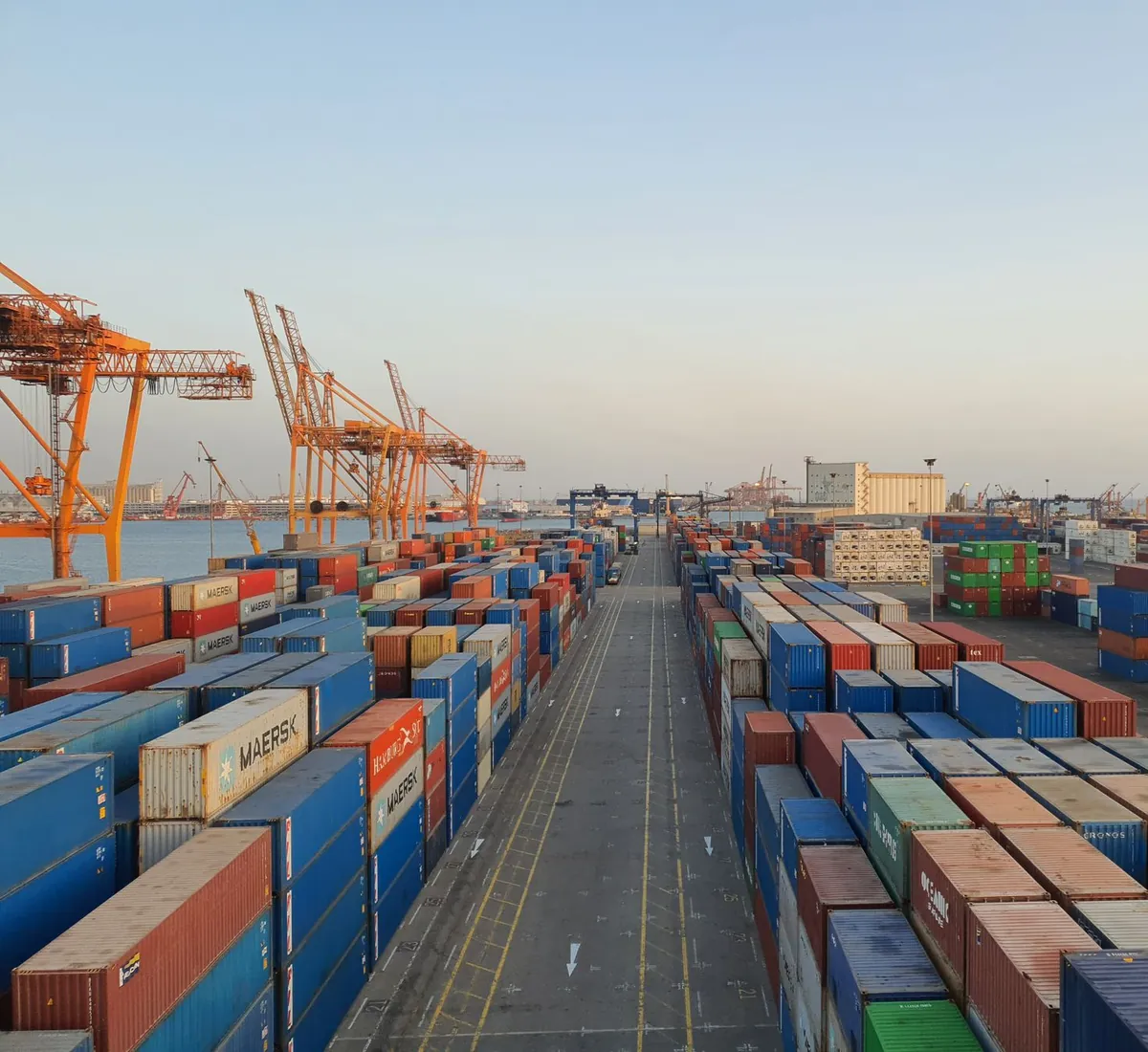
Freight, insurance, customs duty, clearing charges and inland transport often sit in expenses instead of in the cost of the goods. Stock is undervalued and every sale looks more profitable than it is.
Goods in transit, consignment stock, damaged items and warehouse transfers are hard to track. Without regular counts reconciled to the books, cost of goods sold stops agreeing with the stock actually on hand.
Import VAT declared through customs has to be reported correctly in the VAT return, and exports need the right evidence to be zero-rated. Missing declarations or shipping documents put recoveries at risk.
Suppliers in USD, EUR or CNY and customers paying in dirhams create exchange differences on every settlement. Unrevalued balances distort both payables and profit.
Advance payments, partial shipments, credit notes and rebates leave ledgers that no longer agree with statements. Disputes take longer to settle and cash is tied up in old balances.
Group companies that buy from and sell to each other need consistent pricing, matching intercompany balances and documentation that supports the terms under UAE transfer pricing rules.
How Bestax helps
A trading company typically needs monthly books that carry inventory at landed cost, VAT returns that reflect imports, exports and designated zone movements, and corporate tax filed from reconciled figures. These services cover that work.
Monthly bookkeeping with landed cost allocation, inventory reconciliation and multi-currency revaluation built into the close.
VAT returns prepared from your customs declarations and sales records, with import VAT, exports and designated zone movements treated correctly.
Corporate tax registration, computation and return filing, with inventory adjustments and related-party disclosures prepared alongside.
Arm's length support for intercompany sales, purchases and service charges between group trading entities.
Audited financial statements for banks, free zone authorities and trade finance providers, with stock and receivables ready for testing.
Inventory-capable accounting systems configured with item costing, warehouses and currency settings that match how you trade.
The Bestax approach
We run the books as one cycle: the costs of each shipment reach the stock ledger before the goods are sold, so gross margin is calculated on the full cost of what was sold.
Supplier invoices, freight, insurance, duty and clearing charges are recorded against the shipment or purchase order they relate to, not dropped into general expenses.
Shared costs are allocated across the items in each consignment by value, weight or volume, using one method consistently, so unit costs are complete.
Inventory is valued at the lower of cost and net realisable value under IAS 2, using FIFO or weighted average, with slow-moving and damaged stock reviewed.
Bank, supplier, customer and intercompany balances are agreed to statements. Exchange differences on foreign currency items are recognised at period end.
Import VAT is taken from customs declarations, exports are matched to their evidence and the VAT return is prepared from the reconciled ledger.
You receive gross margin by product line or customer, stock ageing, debtor and creditor days, and a cash position you can plan purchasing around.
The allocation method, costing formula and reporting lines are agreed with you at onboarding and documented, so the numbers are comparable from one month to the next and easy for an auditor or bank to follow.
How we work
Switching accountants mid-year should not interrupt your shipments or your VAT deadlines. The handover is planned around your trading cycle.
We look at your current ledger, stock records, customs documents and last VAT returns to see what is reliable and what needs correcting.
Landed cost allocation, inventory costing, currency handling and the reports you need are agreed and written down before work starts.
Opening stock and balances are reconciled, and any backlog is brought up to date so the first monthly close starts from correct figures.
Books are closed on a fixed timetable, VAT is filed on schedule and questions on the figures go to the accountants who prepared them.
Book your Free Consultation
If your question is not here, ask it directly.
Inventory, landed cost, VAT and currency questions we are asked by importers, exporters and logistics operators.
At a minimum, monthly bookkeeping with inventory records, VAT registration and returns once the registration threshold is crossed, corporate tax registration and annual returns, and audited financial statements where a free zone, bank or shareholder requires them. Companies with group entities also need related-party transactions documented for transfer pricing.
Under IFRS, which UAE companies generally report under, inventory is measured at the lower of cost and net realisable value. Cost includes the purchase price plus the costs of bringing goods to their present location, such as freight, insurance and import duty. FIFO or weighted average can be used, but LIFO is not permitted, and the chosen formula should be applied consistently.
Landed cost is the full cost of getting goods into your warehouse: the supplier price plus freight, insurance, customs duty, clearing and handling charges. If these costs are expensed instead of added to stock, your inventory is undervalued and gross margins are overstated on the products that carry the heaviest shipping costs.
For VAT-registered businesses, import VAT on goods cleared through UAE customs is generally declared in the VAT return under the reverse charge mechanism, which means it is reported as both output and recoverable input tax where the goods are used for taxable supplies. The figures must agree with customs declarations, so those records need to be kept and reconciled.
Exports of goods outside the GCC VAT implementation area can be zero-rated, but only when the exporter holds the required official and commercial evidence of export within the time limits set by the VAT rules. Without that evidence the supply may be treated as standard-rated, so shipping documents should be filed with each sale.
Usually, yes. We work in the systems our clients already use and assess whether the inventory module can track costs by item and warehouse. Where it cannot, we can recommend and configure a system that does, and migrate your opening balances.